 RUSTAMGULOFF
Vibe Coding: A New Path to Programming for Everyone
Vibe coding has become an accessible tool for creating mobile applications and firmware. The barrier to entry into the world of information technology has lowered, allowing anyone to learn programming. This will change the job market and the requirements for many positions.
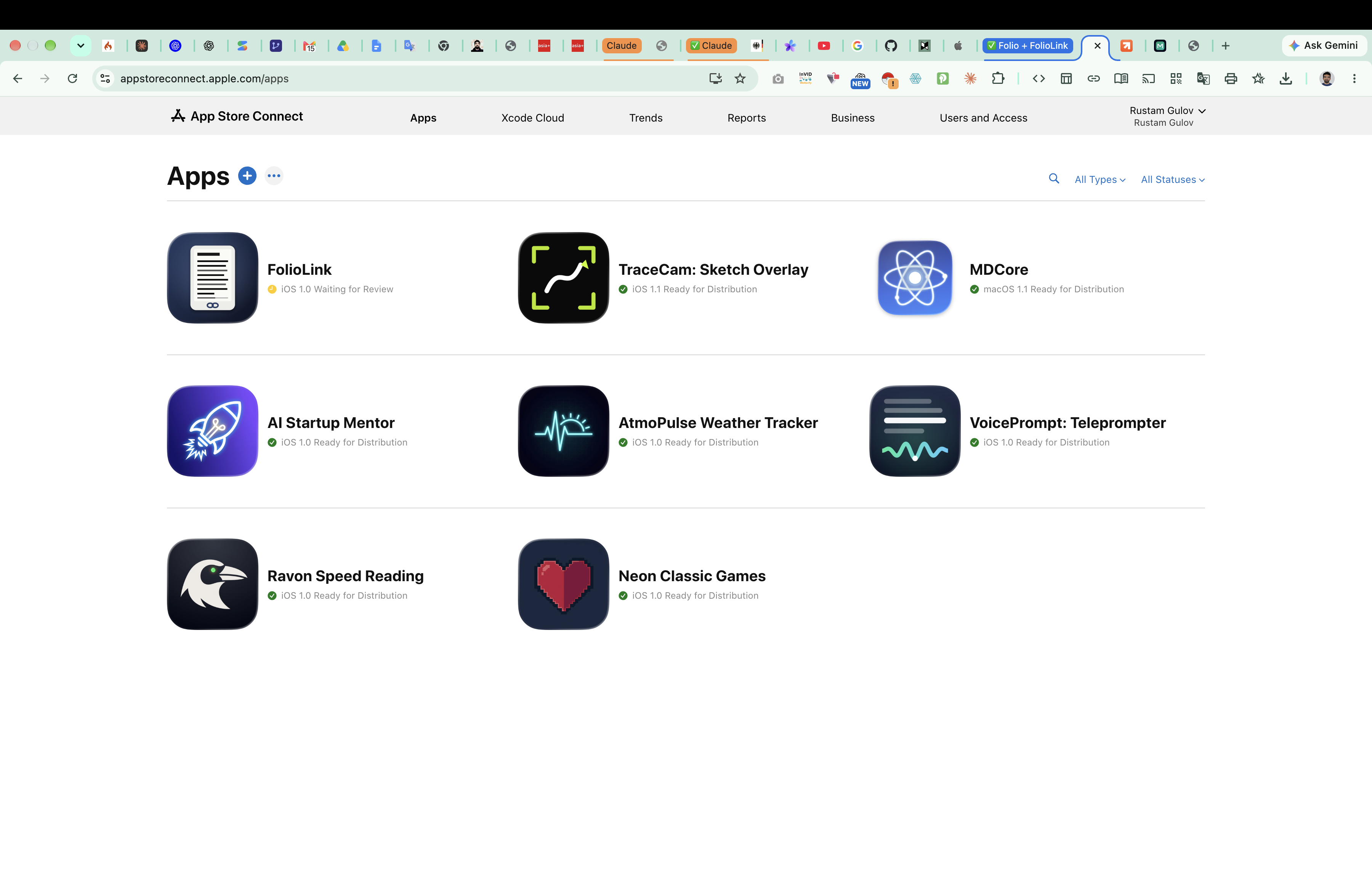
Recently, vibe coding has become almost a constant activity for me. With its help, I solve nearly all my questions and work problems. Creating mobile applications, which I wanted to learn many years ago but never got around to seriously studying programming in Swift and Kotlin, has now become something ordinary and simple. You can already see many of my projects on this site, most of which are available on the App Store, and soon I will try to publish them on Google Play as well.
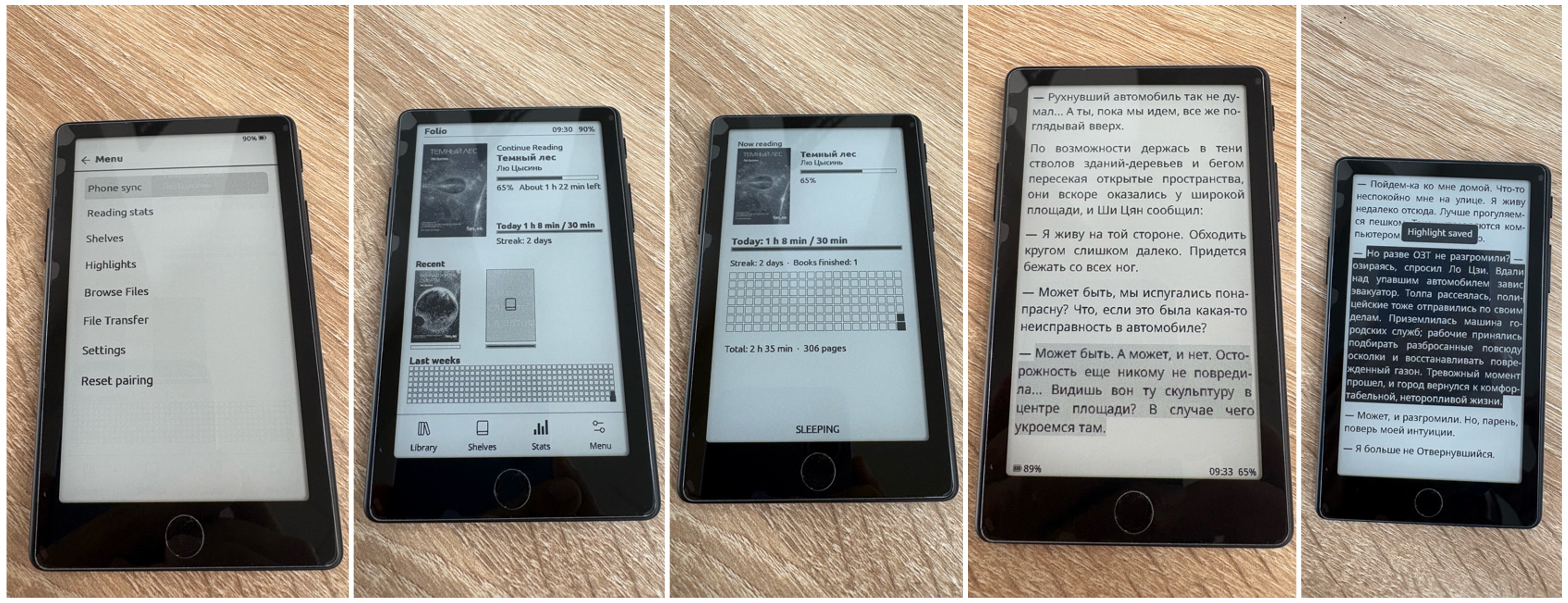
The other day, I decided to try creating a different type of program - firmware for an e-reader. The thing is, I bought an Xteink X4 Pro e-reader, but I wasn't satisfied with the factory firmware - it lacked the features I needed. There is also an open alternative called Crosspoint, which offers a bit more, but still not everything. In particular, its mobile app is severely limited in functionality. So, I took Crosspoint as a base, passed its code to Claude Code, described my wishes, asked him to add even more useful features independently, and in the end, my e-reader has its own firmware called Folio. This firmware is also available on Github for open use. In this firmware, you can track your reading practice, highlight quotes, and take screenshots.
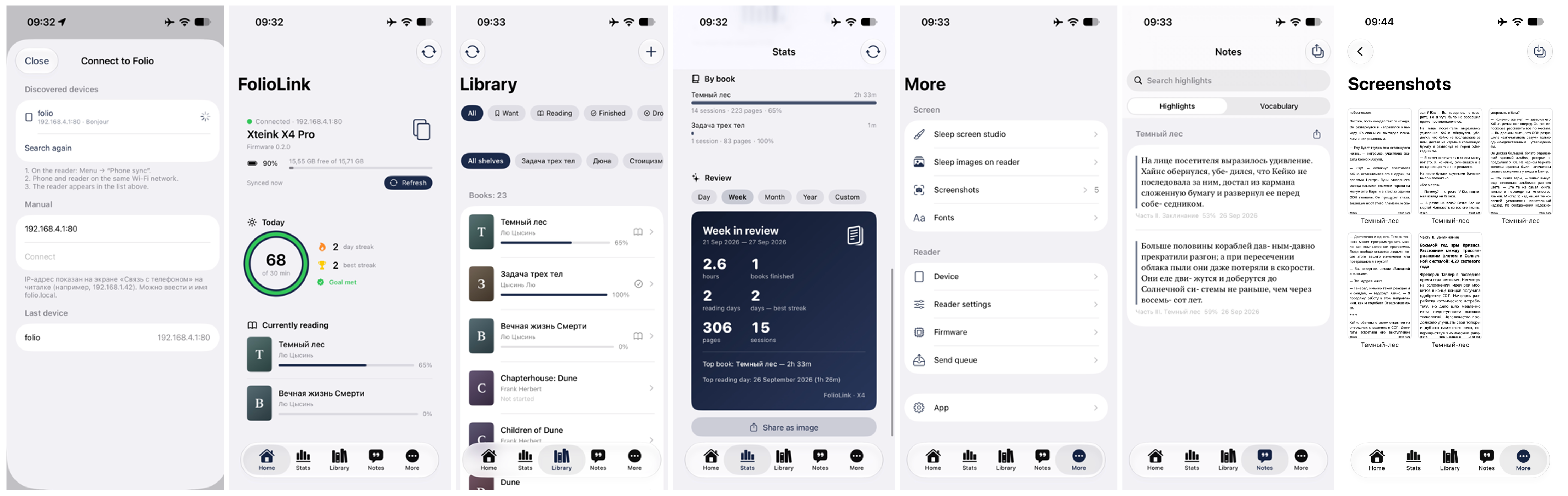
At the same time, I also created a mobile app called Folio Link, which allows you to send books to the e-reader, as well as receive reading statistics and upload saved fragments and screenshots taken in the book. The app also shows a card with reading statistics over specific periods, which you can save as an image. These cards are easy to share in stories.
And here I am, doing this and thinking about how easy it has become to enter the world of information technology. The barrier to entry, which used to be quite high, has now become very low. A person with access to coding agents and at least a basic understanding of how computers and programs work can easily create their own applications.
Just as prompting has become something ordinary in a couple of years, developing one's own software is becoming commonplace and simple. Undoubtedly, this will impact the job market. Most likely, "vibe coding" will become one of the requirements for almost any job. Today, the ability to work with AI tools is valued as highly as knowledge of the English language was 10-15 years ago, and today, it no longer surprises anyone that you know this language. The same will happen with the ability to interact with AI, especially when it comes to vibe coding and the ability to create your own tools using AI.
As for programmers, after 20 years, if coding agents do not become significantly smarter and do not offer original approaches to programming or produce unique code, there will be a sharp increase in demand for human developers. However, if AI can learn to independently come up with new approaches, paradigms, algorithms, and unique code, then vibe coding will truly become one of the simplest skills taught from kindergarten.
Comments
Loading…